Impacts of AirBnB regulation in New York
New York has long been a money spinner for AirBnB. In January 2023 there were 38,500 listings. As…



New York has long been a money spinner for AirBnB. In January 2023 there were 38,500 listings. As…
In 2010 the Commonwealth Association of Planners held its first Student Essay competition. The winners were Jeremiah Atho…
Ken Loach’s film, Kes, was released in 1969. What does it tell us about life in a coalfield…

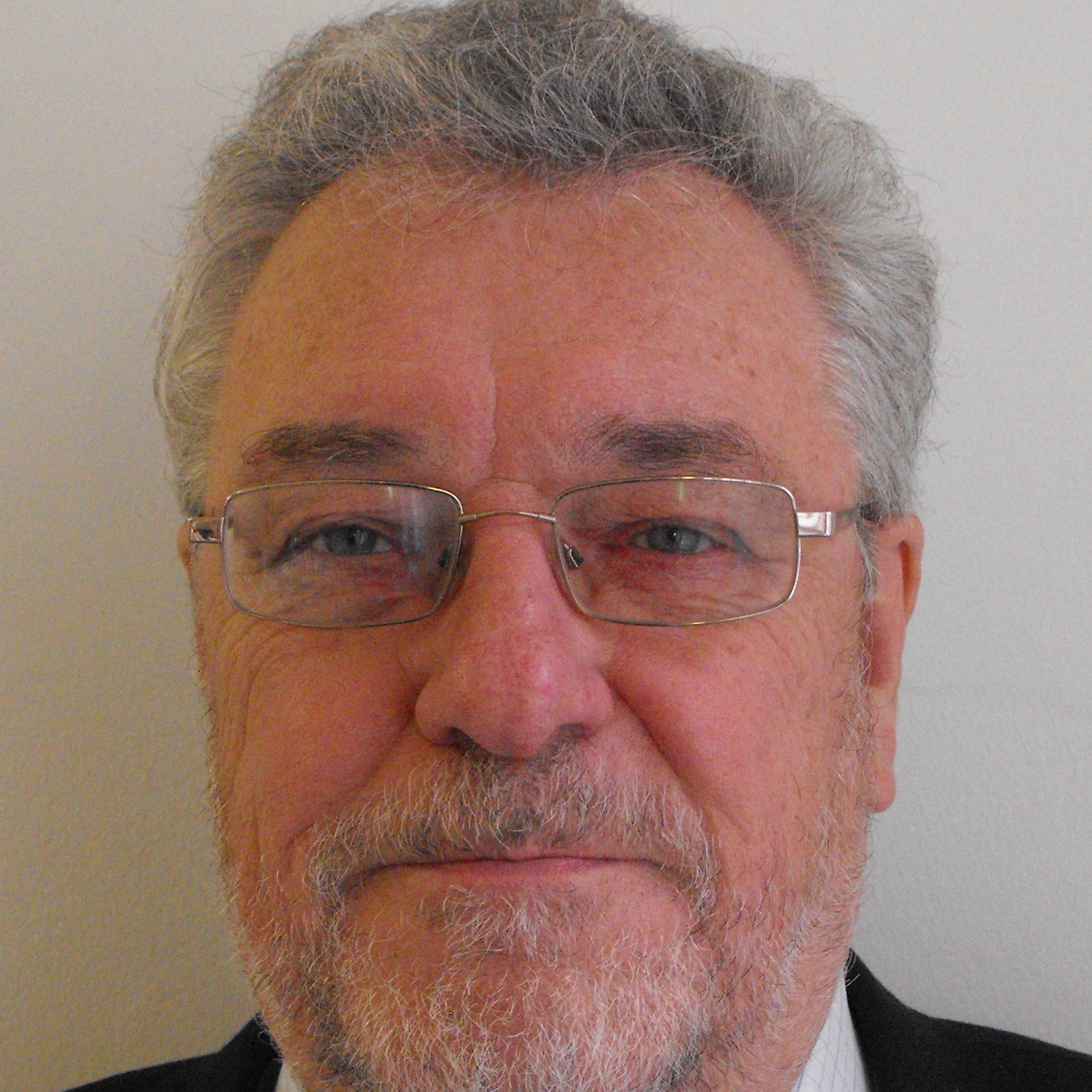
Cliff is a freelance consultant, researcher, author and trainer. He was the Chair of the Cockburn Association 2016 – 2023.
He is Professor Emeritus of Planning and Spatial Development at Heriot-Watt University in Edinburgh.
He is a Past President of the Royal Town Planning Institute, and of the Commonwealth Association of Planners.
He is a past Chair of Built Environment Forum Scotland.
He was awarded the O.B.E. in the 2016 Birthday Honours.
Europe’s Neighbourhood from a Territorial Perspective, Report from the ESPON Internal Seminar in Paphos, Cyprus 5-6 December 2012 (2013) https://www.espon.eu/news-events/espon-2006-2013-events/espon-2013/internal-seminars/espon-internal-seminar-0 . Co-author.
This first appeared in Planning on 31 May 2002 and is reproduced by kind permission of Planning Resource.
This blog was first posted on the Planning Resource website on 14 November 2011. The palm trees sway in the breeze. Under a blue sky, the waves lap the beach of a sandy cove. The nearby mangrove forests are home to an amazing diversity of wildlife. How will Brunei, this tropical paradise, cope with the…
A new bridge in Portland, Oregon carries pedestrians, cyclists, buses, trams and light rail metro – but no cars or trucks. The Tilikum Crossing over the Willamette River opened on 12 September 2015. Perhaps not surprisingly, it is in Portland, Oregon, one of the most environmentally conscious cities in the USA. In connecting and extending the public…
Like many planners I am a fan of the movies, and especially fascinated by films where place is central to the narrative. Over the weekend I was lucky enough to see not one, but two films about cities. They have a lot of similarities but also many differences. They areFellini’s Roma and Terence Davies’ reflections on…
Erasmus+ http://ec.europa.eu/programmes/erasmus-plus/index_en.htm is an EU programme supporting education, training, youth and sport. In 2015 Cliff worked with the partners in the Young Eyes project to develop a set of Guidelines for the delivery of the project.
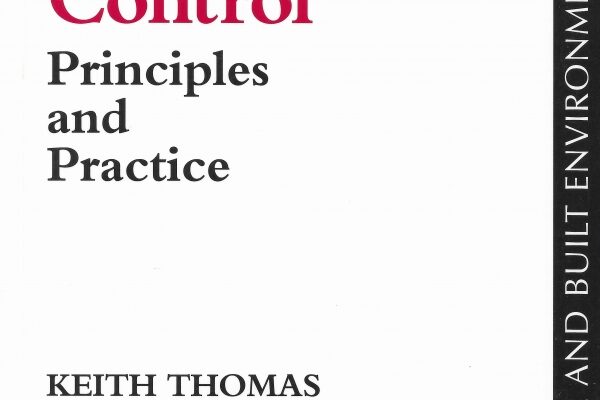
The death was recently announced of Dr. Keith Thomas who for many years taught students of planning at Oxford Brookes University. The death was recently announced of Dr. Keith Thomas who for many years taught students of planning at Oxford Brookes University. Before moving to Oxford in the mid-1970s, Keith was a Senior Lecturer in…
This blog was posted in Novermber 2015. World Town Planning Day (8 November) was celebrated in Kabul by a national urban conference addressed by the President. Minister for Urban Development, Sadat Naderi, highlighted the Urban National Priority Programme as Afghanistan’s new framework for urban sustainability and planning according international planning standards, building upon the country’s…
This blog was first posted in April 2016. The pressure for migration into Europe will not go away, says a new report. The ongoing war in Syria is just one factor in the surge in the number of people seeking asylum in Europe, estimated by the UN to total 1 million in 2015. Looking across…

It is doubtful if the Italian film-maker Frederico Fellini knew of the work of the Scottish luminary Patrick Geddes – biologist, ecologist, sociologist, educationalist and planner. Fellini’s films have a strong sense of place, and of the relationship between people and place, which was an important theme for Geddes. I want to explore one of…