Impacts of AirBnB regulation in New York
New York has long been a money spinner for AirBnB. In January 2023 there were 38,500 listings. As…



New York has long been a money spinner for AirBnB. In January 2023 there were 38,500 listings. As…
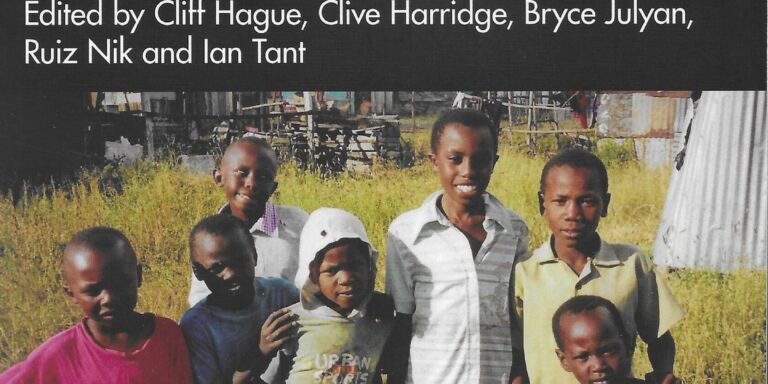
In 2010 the Commonwealth Association of Planners held its first Student Essay competition. The winners were Jeremiah Atho…
Ken Loach’s film, Kes, was released in 1969. What does it tell us about life in a coalfield…



Cliff is a freelance consultant, researcher, author and trainer. He was the Chair of the Cockburn Association 2016 – 2023.
He is Professor Emeritus of Planning and Spatial Development at Heriot-Watt University in Edinburgh.
He is a Past President of the Royal Town Planning Institute, and of the Commonwealth Association of Planners.
He is a past Chair of Built Environment Forum Scotland.
He was awarded the O.B.E. in the 2016 Birthday Honours.
In 2013 I helped RTPI construct a timeline to tell the story of planning 1914-2014 for their centenary year. Inevitably the focus was on the Institute itself and events in the UK. However, it set me wondering what a “World View” of planning over that 100 years might look like? If you had to nominate…
This blog was first posted in February 2015. Young Eyes is a new IC project. It looks to me like it will be a good one. I was at the kick-off meeting in a cold and misty Warsaw in January. All the partners were there – Jelgava and Rauna from Latvia, our Polish friends from…

The global pandemic raises some important questions about the links between public health and planning. With whole countries shut down and a soaring death toll, there are signs that it will not be long before a debate about the trade offs between health and economies becomes heated. At the moment, the professional body in the…
The INTERREG programmes aim to improve the effectiveness of regional policies and instruments within Europe. It promotes international cooperation and exchange of know-how between partners engaged in the making and delivery of policies and actions for regional and local development. Cliff has worked as an external expert on a number of INTERREG projects.
This blog was first posted on the Planning Resource website on 7 December 2011. We are facing a “deadly collision between urbanization and climate change”. This is the warning given in the 2011 Global Report on Human Settlements published by UN-Habitat. It comes at a time when expectation is rock bottom that governments will achieve a positive…
This blog was first posted in February 2018. Today at the World Urban Forum in Kuala Lumpur I went into three events, which spanned a wide range of themes and places.Each in its own way provoked thoughts. The Prince’s Foundation for Building Community has been working over a period of years now on developing a…
This blog was first posted on the Planning Resource website on 19 March 2012. “One of Norwegian society’s strengths lies in the fact that we have economic development spread all over the country. This enables us to get the most out of our natural, cultural and human resources, and is how we have laid the…
We are building cities to attract investment, not cities for people to live in, argued David Harvey, the distinguished geographer, speaking in Montevideo. Harvey argued that in times of economic crisis, one escape strategy has been to invest in the built environment, as a way to create opportunities for capital and to get potentially rebellious…
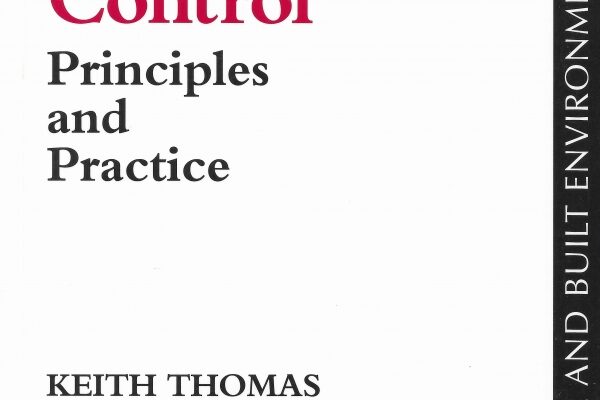
The death was recently announced of Dr. Keith Thomas who for many years taught students of planning at Oxford Brookes University. The death was recently announced of Dr. Keith Thomas who for many years taught students of planning at Oxford Brookes University. Before moving to Oxford in the mid-1970s, Keith was a Senior Lecturer in…
America’s obesity crisis is creating a new concern to make healthy cities, though the rhetoric outstrips the plans. A recent blog on a health website says that more than half of U.S. adults don’t meet the recommended daily requirements for aerobic exercise or physical activity. It makes the case for better planning and design to…